From AI Art to Physical Plush: A Manufacturing Veteran’s Practical Guide for Designers and Brands
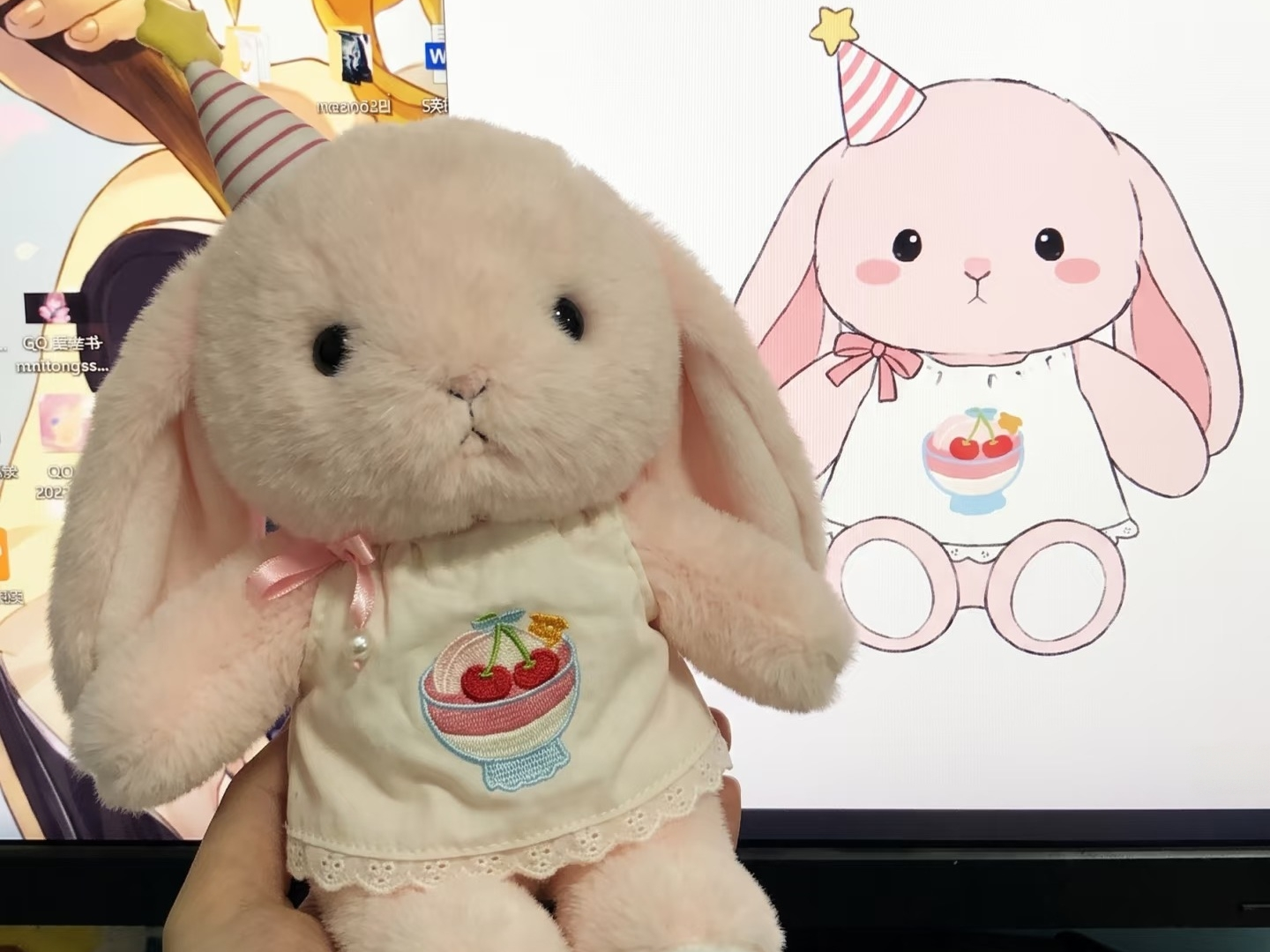
Bringing a custom character from a digital screen into a physical plush toy is one of the most rewarding steps for designers, gaming studios, and brand teams. With the rise of AI generation tools, creating initial character concepts has become faster than ever.
However, digital artwork operates without physical constraints, while plush manufacturing deals with needle work, fabric tension, seams, and polyfill stuffing.
Understanding these practical realities early saves months of back-and-forth adjustments and keeps production on schedule.
The Physical Limits of Translating AI Art into Fabric
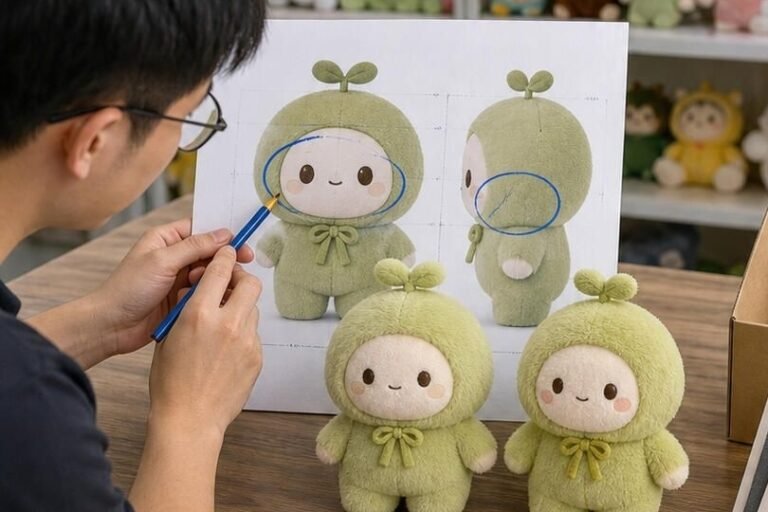
AI tools generate impressive character visuals, but the underlying software does not consider how fabric pieces are cut and stitched together on a sewing line.
1. Tiny Plush Charms and Complex Logos
A frequent request involves turning a complex character into a small 10–12 cm (4–5 inch) keychain bag charm, with intricate corporate logos or multi-colored emblems placed on tiny feet or chest areas.
On a physical plush item of that size, the surface area for a footpad might only measure a few millimeters across. High-density embroidery or screen printing cannot physically deliver legible, crisp lines on such a small scale without the thread bleeding together or distorting the shape. For mini plush items, placing detailed secondary branding on a custom woven label, hangtag, or rubber badge is far more practical.
2. Color Gradients Across Seam Lines
AI artwork frequently features soft, seamless color gradients that shift across a character’s body. In physical plush production, a character is built from dozens of separate fabric pattern pieces stitched together.
Achieving a smooth, continuous gradient across different cut pieces requires specialized piece-dyeing or heat-transfer printing, which drastically increases material handling and cutting costs. Selecting close matching solid plush fabrics or using localized sublimation printing on flat panels yields much cleaner, cost-effective results.
3. Facial Depths and 3D Features
Deeply recessed eye sockets, pronounced cheekbones, or overly layered eyelids are easy to render digitally. In a soft stuffed item filled with synthetic cotton, forcing rigid 3D contours often creates awkward bulges or stiff interior plastic molds that ruin the soft feel of the toy. High-precision embroidery or soft fabric appliqué remains the most reliable way to capture distinct facial expressions naturally.
Custom Manufacturing vs. Wholesale Customization: Understanding Cost Realities
A common misunderstanding when entering the supply chain is confusing Full Custom Manufacturing with Wholesale Customization.
- Wholesale Customization: Taking an existing, off-the-shelf factory plush design and adding minor modifications—such as an embroidered brand logo on the foot, a custom woven label, or a branded hangtag. Because the base pattern, material cutting, and assembly lines are already established, unit prices remain low even for modest quantities.
- Full Custom Manufacturing: Building a completely new physical plush toy from scratch based on original artwork. Regardless of whether the initial production run is 100 units or 10,000 units, the upfront preparation steps are identical—pattern making, master sampling, material color matching, fabric cutting dies, and lab testing.
Why Small Batch Economics Differ
Factory setups require fixed labor and tooling preparation. When producing small runs of a few hundred pieces, those fixed setup overheads are distributed over a smaller number of total items, making the per-unit cost significantly higher.
If the goal is reselling the plush toy as commercial merchandise, ordering only a small batch often compresses retail profit margins due to high unit costs. Small production runs work best for limited commemorative gifts, promotional giveaways, or special events. For retail brands planning a commercial launch, scaling up the production volume brings the per-unit manufacturing cost down dramatically, making the venture financially viable.
Custom Packaging: Avoiding Unintended Cost Spikes
Custom packaging—such as fully printed color gift boxes—adds strong retail appeal, but paper printing factories operate on high minimum order volumes due to plate setups and die-cutting machinery.
If an order calls for a small run of plush toys paired with an identical small quantity of custom-printed rigid boxes, the cost of manufacturing the box alone can easily exceed the cost of the plush toy itself.
When paper printing setup fees are spread across a tiny run, unit costs spike. In such cases, expanding the order size reduces the average packaging expense significantly. For smaller initial releases, pairing a well-crafted plush toy with a custom woven label, an embroidered tag, and a premium printed hangtag provides a clean, professional retail look without forcing high packaging overheads.
Project Scheduling: Managing the Production Pipeline
Plush toy creation relies on sequential manual processes that cannot be rushed without risking product quality:
- Pattern Development & Revisions: Master pattern makers draft physical paper patterns and stitch initial prototypes by hand. Evaluating physical samples and making shape or embroidery refinements requires dedicated time.
- Material Sourcing & Production Setup: Fabric dyeing, custom printing, embroidery setup, cutting, assembly, and 100% metal needle detection all happen before final packing.
- Logistics Planning: Fast air freight suits urgent event launch dates, whereas ocean shipping offers long-term cost savings for volume orders but requires a much longer transit window.
When preparing custom plush items for trade shows, school anniversaries, game launches, or seasonal promotions, starting the development process several months in advance ensures ample time for sample refinements, quality control, and economical freight choices.
Bringing Your Design to Life
Translating virtual art into a physical plush product does not require decades of manufacturing knowledge—just a clear understanding of material limits and realistic cost structures.
Have a character sketch or AI concept ready for evaluation? Contact the Bolai Toys Team today or explore our Custom Plush Manufacturing Services for practical engineering feedback and project feasibility guidance.